IPTV vs Cable: Cost, Comfort and Catches, Compared Honestly
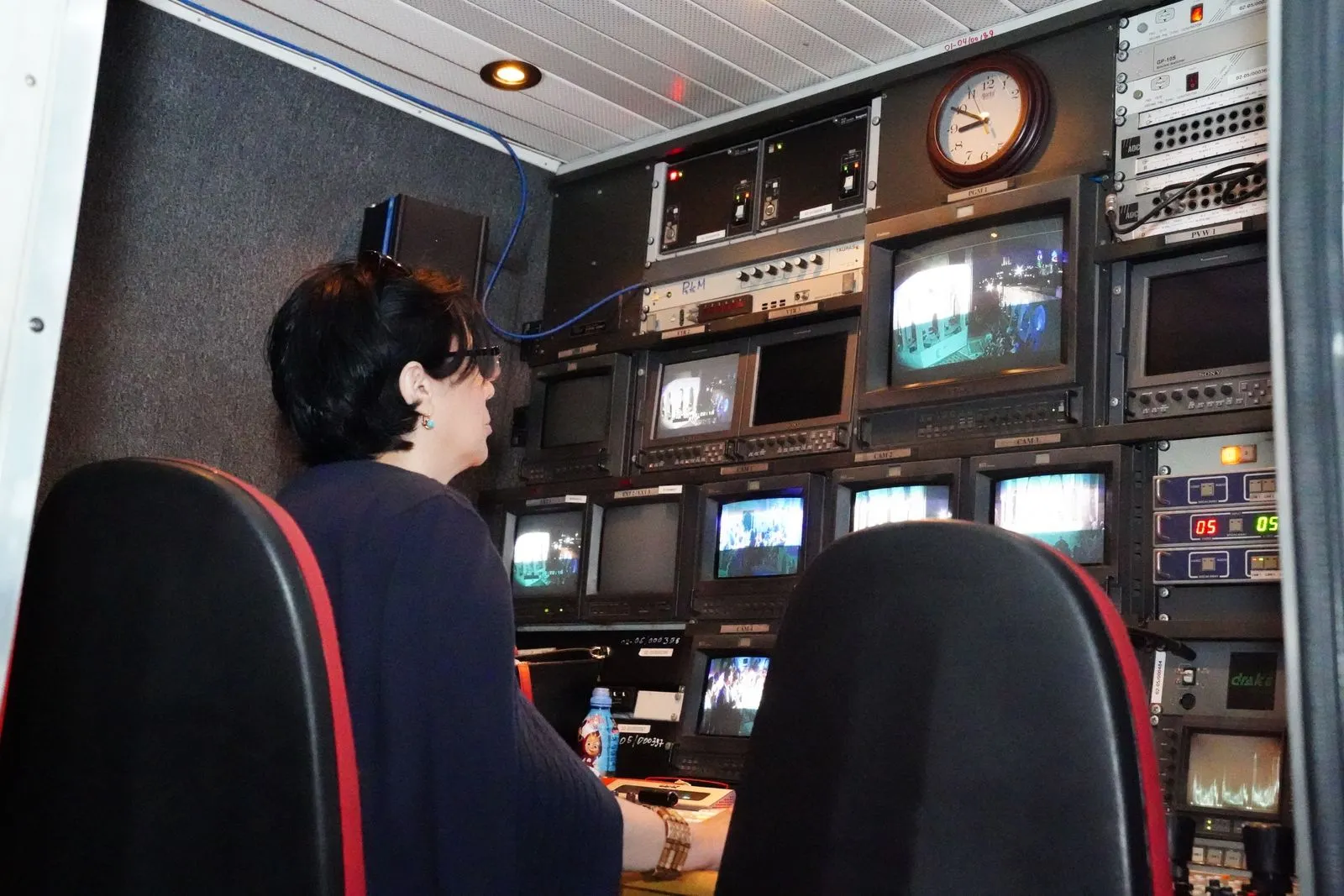
IPTV vs cable comes down to flexibility against consistency. IPTV streams live TV over your broadband to almost any device, usually without contracts, installation or box rental, and often for less. Cable runs on a dedicated network into your home, so the picture rarely depends on your internet, but you’re tied to one box, one provider’s packages and often a long contract. For many households, IPTV is the better fit if broadband is solid.
Below, we go through the differences that actually show up in daily life, then look briefly at satellite and streaming apps.
The quick comparison
| IPTV | Cable TV | |
|---|---|---|
| How it arrives | Over your broadband | Dedicated cable line |
| Installation | Install an app | Engineer visit, often |
| Equipment | Your own TV, stick or box | Rented set-top box, usually |
| Contract | Often none | Commonly 12 to 24 months |
| Devices | TV, phone, tablet, computer | Mainly the TV with the box |
| Picture quality | HD to 4K, depends on your connection | HD to 4K, consistent |
| Reliability | Depends on broadband and Wi-Fi | Very steady |
| Moving home | Take it with you | New installation needed |
Cost: how the bills are built
We won’t compare figures, because cable prices vary hugely between the US, UK, Ireland, Canada and Australia and between providers. The structure is what differs.
A cable bill typically stacks up: a base package, premium add-ons, box rental, sometimes a fee for a second box, and occasionally installation. Introductory prices often rise after the first year.
IPTV is usually one subscription fee, with plan length and the number of screens as the main variables. You use a device you already own, or buy a stick once. Your broadband is the other cost, but most homes already pay for that.
For a closer look at what drives IPTV prices, see our explainer on how much IPTV costs, and compare current plans on the pricing page.
Comfort: what daily use feels like
Channel surfing
Cable is instant. IPTV takes a second or two per channel change while the app buffers. Most people stop noticing after a week, but if rapid flicking is how you watch, you’ll feel it.
Watching beyond the living room
IPTV wins easily here. The same channels on your phone, tablet or laptop, at home or away. Cable apps exist, but they’re often limited compared with the box.
The TV guide and catch-up
Both offer a guide. Many IPTV services include catch-up on a range of channels, so you can start a programme that aired earlier. Cable usually relies on a recording box for that.
On-demand
IPTV services often bundle films and series on demand in the same app as live TV. Cable on-demand varies by package.
Reliability: the honest catch
This is where cable keeps an edge. Because it runs on the operator’s managed network, a busy evening on your broadband doesn’t touch it.
IPTV depends on your connection. With a stable line of around 10 Mbps per HD stream, a wired connection or strong Wi-Fi, and a good provider, it’s dependable. Without those, you’ll see buffering at peak times. Our IPTV buffering checklist helps if that happens.
What about satellite and streaming apps?
Satellite is similar to cable in feel: very consistent, but it needs a dish, often an installer, and contracts are common. Bad weather can briefly interrupt it.
Subscription streaming apps are great for on-demand shows but light on live channels. Many people end up paying for several, which adds up. IPTV sits in between: live channels first, with on-demand alongside.
Who should switch, and who shouldn’t
IPTV is likely the better choice if you:
- have reliable broadband and can wire the main TV or have strong Wi-Fi
- want to watch on several kinds of device
- dislike contracts and box rental
- move home often or rent
Cable may still suit you if:
- your broadband is slow or unstable
- you watch mostly in one room and want instant channel changes
- you value absolute consistency over flexibility
The fairest test is to run both side by side for a day. Liptv offers a free test, so you can compare it with your cable box at peak time before you make any decision.
Quick answers
Is IPTV better than cable?
It depends on your priorities. IPTV usually offers more flexibility, no equipment rental and watching on many devices. Cable can be more consistent because it runs on a managed network that doesn't depend on your broadband.
Is IPTV cheaper than cable TV?
Often, because there's no box rental, installation or long contract. Compare the full monthly cost of each, including your broadband, any device you'd need and add-on packages, before deciding.
Can I switch from cable to IPTV without losing anything?
Check that the channels you watch most are included, test catch-up and the TV guide, and make sure your broadband is fast and stable. A free test is the safest way to compare before cancelling cable.